The Beauty of Things That Have Lived
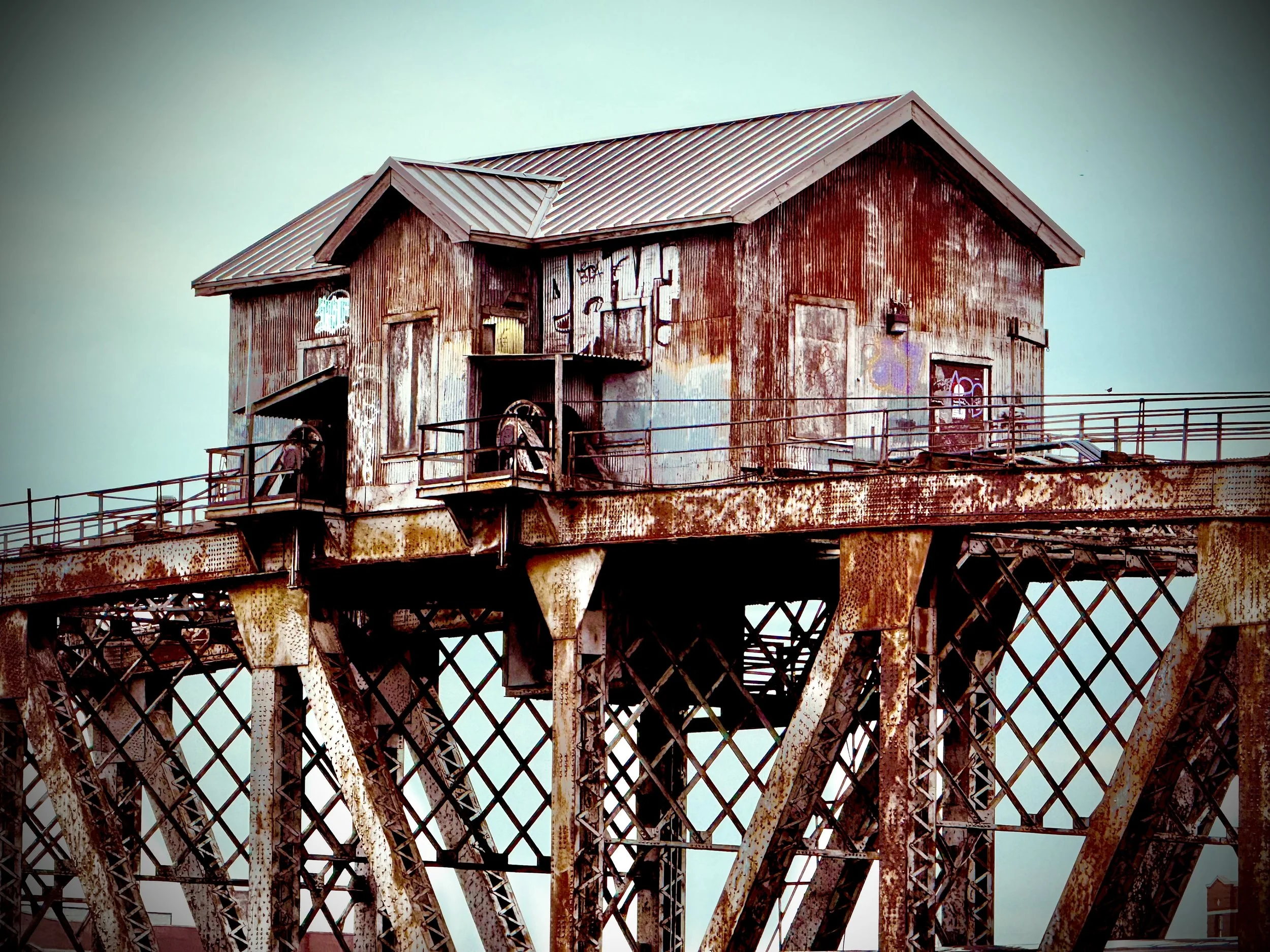
Rusty building
I have always been drawn to things that show their age.
Give me a piece of rusted metal, peeling paint, weathered wood, or a cracked and battered surface, and I will always stop to look. There is something about these imperfect things that feels more alive to me than something pristine and untouched.
Their surfaces hold stories.
I love the way time leaves its mark. Rust blooms across metal. Paint curls and flakes away, revealing colors and layers underneath. Wood absorbs the weather, darkens, splits, and develops a patina of its own. These surfaces are records of what they have experienced—the sun, rain, wind, hands, footsteps, neglect, care, and simply the passage of time.
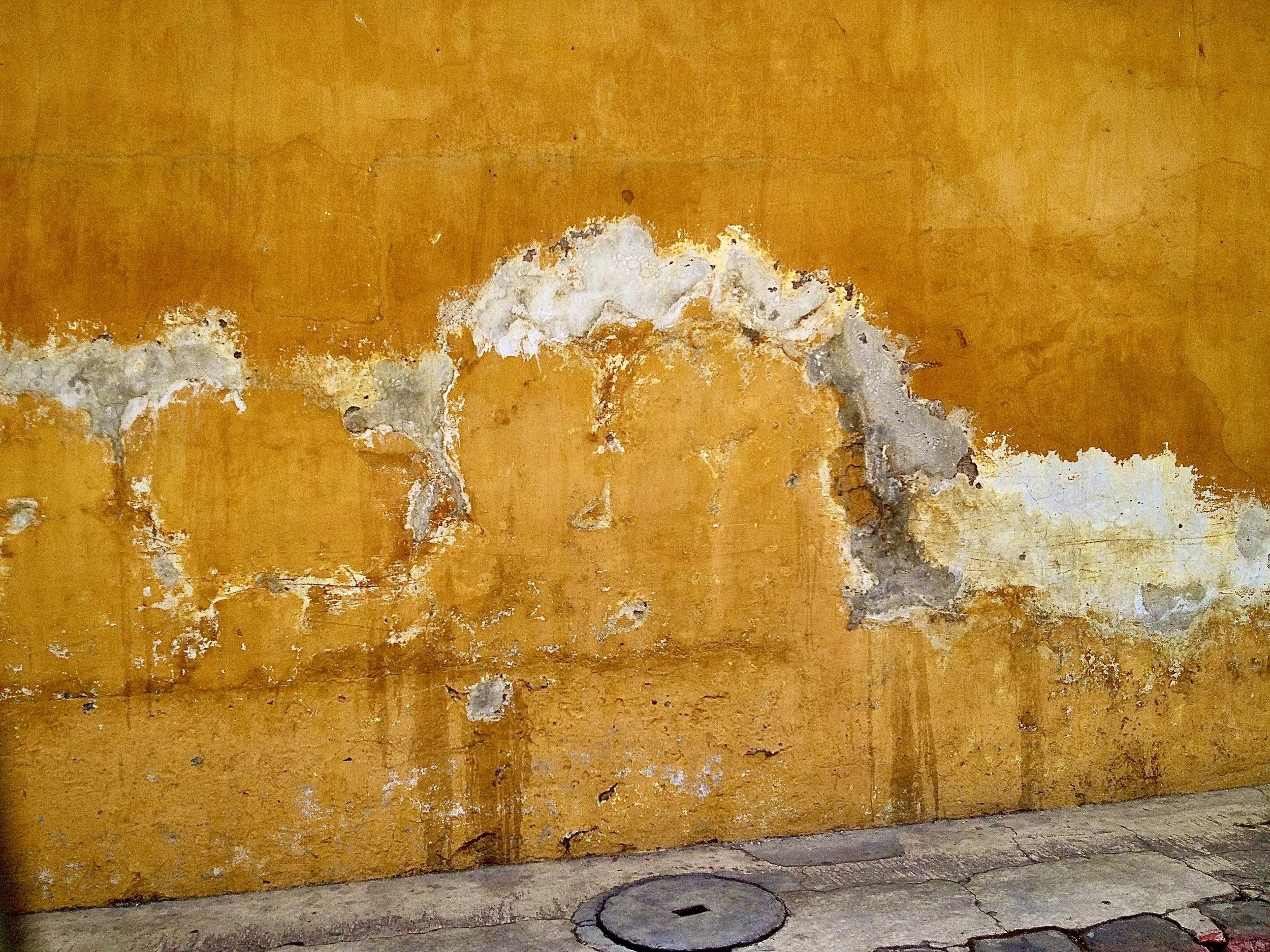
Wall in Antigua, Guatemala
Perhaps that is what I find so compelling.
They have lived.
I feel the same way about people. There is a particular beauty in someone who has lived through difficulty and allowed it to shape them. People who have been tested by life and learned from it often carry a depth of wisdom, vulnerability, and humility that cannot be manufactured.
They have stories written into them, too.
As a Christian, I think about Jesus after the resurrection. He did not return without the marks of what he had endured. The wounds in his hands and feet remained—in fact, it was through those scars that he was recognized.
The resurrection did not erase what had happened. The wounds became part of the story—a remembrance of suffering, sacrifice, love, and new life.
That feels profoundly meaningful to me.
What had once been evidence of suffering became evidence of love.
Perhaps this is why I am so drawn to weathered surfaces. They remind me that being marked by life is not the opposite of beauty. Something broken, worn, weathered, or transformed can become more compelling—not less—because of what it has endured.
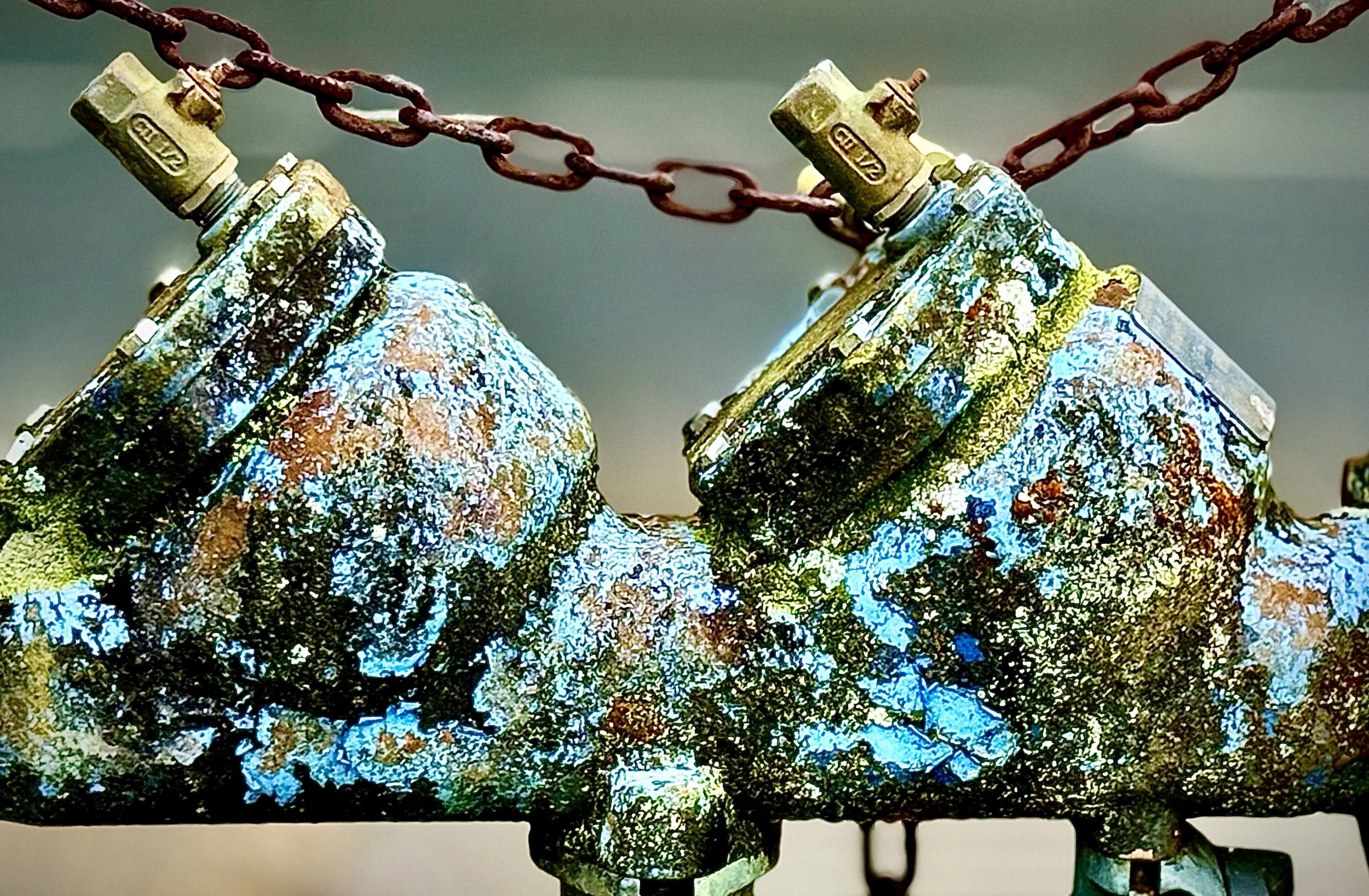
Rusty paint meter
This is one of the reasons texture is such an important part of my art.
I love building a surface slowly: adding something and then covering it, scratching through it, sanding it back, allowing a layer to peek through, or letting an unexpected mark become part of the painting. I am fascinated by what happens when something is partially hidden and then revealed again.
The surface becomes a kind of archaeology. Traces of what came before remain visible beneath what exists now.
Sometimes I begin with an idea of where a painting is going, but the layers have their own conversation. A mark suggests another mark. A texture catches my attention. Something I thought was finished gets covered, only to reappear in an entirely different way.
I find myself responding to what is already there rather than trying to control every step.
In that sense, the process feels much like the weathered surfaces that inspire me. Their beauty was not created all at once. It accumulated through time, exposure, accident, use, and transformation.
I think that is what I am really looking for when I add texture to a painting: evidence of a life.
I want the surface to feel as though something has happened there—to have depth, history, mystery, and traces of what came before.
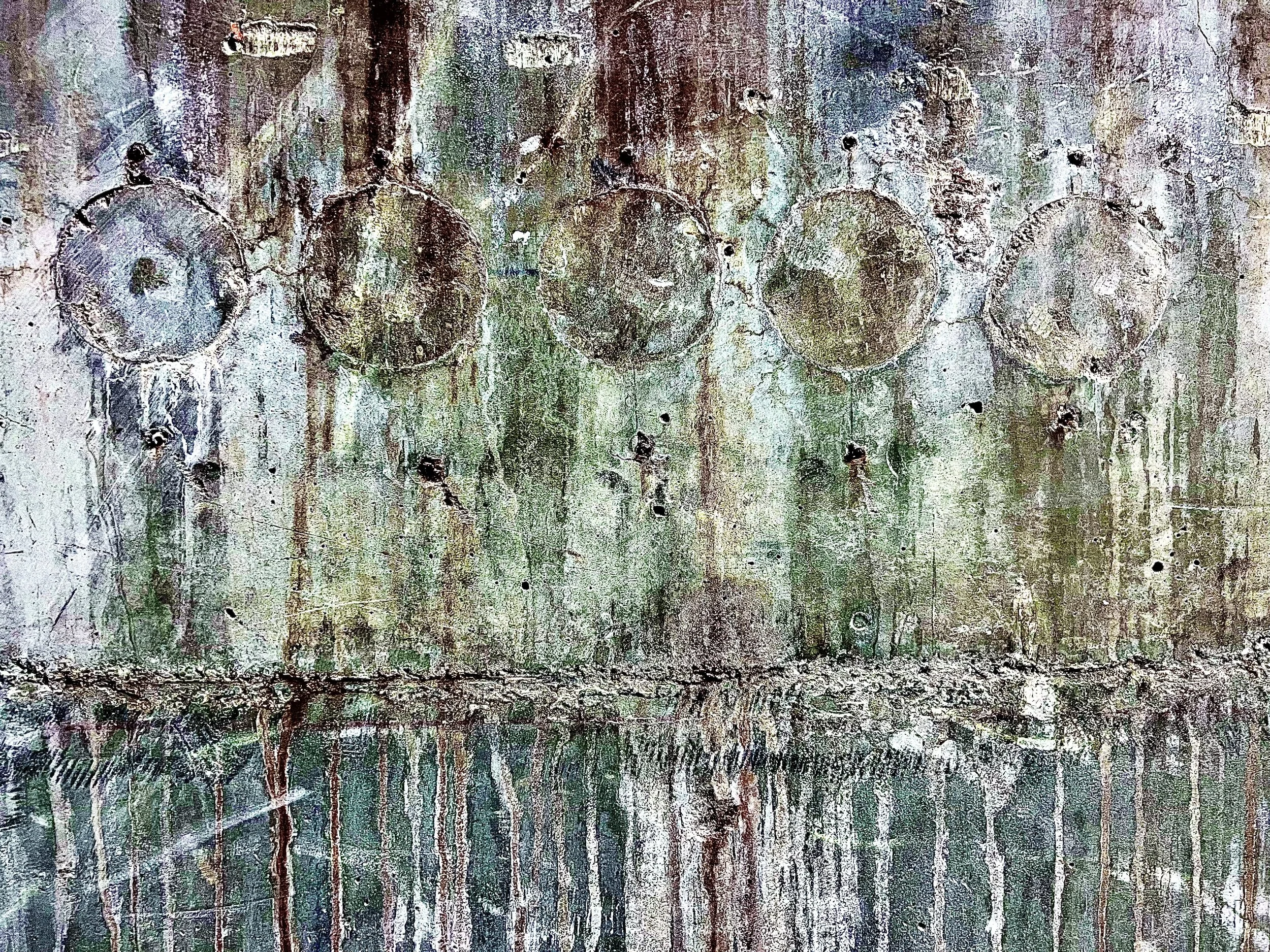
Concrete circles
The most interesting things, to me, are rarely the untouched ones.
They are the things that have been marked by time and somehow become more beautiful because of it.
Perhaps that is what I am trying to remember every time I make a painting: The marks do not diminish the story.
They are the story.